
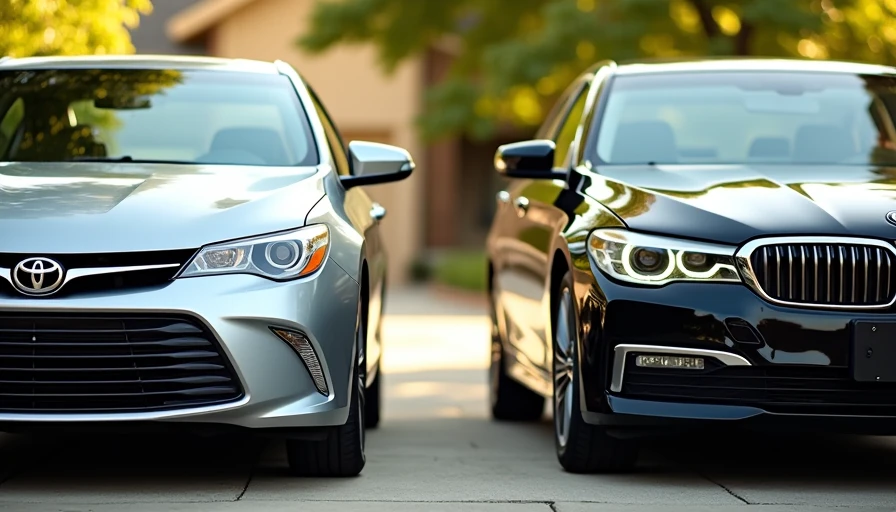
The Badge Trap That Catches Good People
I’ve watched intelligent, budget-conscious professionals spend thousands more than necessary just to have a certain logo on the trunk. They convince themselves it’s about quality or status or “getting what they deserve.” In reality, they’re often buying higher future costs and unnecessary complexity.
Hi, I’m Nathan Cole, a 42-year-old Milwaukee dad who used to work in fleet purchasing and used car operations. I’ve seen badge pride ruin more good car decisions than almost anything else. Today I’m talking about why it happens and how to protect yourself from it.
What Badge Pride Actually Is
Badge pride is that quiet voice that says a BMW, Mercedes, Audi, or even a loaded Honda with extra trim is somehow more worthy than a plain but excellent Toyota or Honda. It’s the feeling that the car you drive should signal success, taste, or intelligence to others.
It’s completely human. We all want respect. But when it comes to family transportation, letting badge feelings drive the decision frequently leads to regret once the real ownership bills arrive.
How Badge Pride Leads to Dumb Decisions

Here are the most common ways it hurts normal buyers:
1. Paying More for Diminishing Returns
You spend $8,000–$15,000 extra for a premium badge, but the actual daily driving experience improvement is often small. The extra money could have gone toward a newer, lower-mileage version of a more sensible car.
2. Higher Long-Term Ownership Costs
Premium brands usually have significantly more expensive parts and service. What looks like a “good deal” on a used European sedan can turn expensive once it’s out of warranty. Tires, brakes, suspension components, and electronics all cost more.
3. Ignoring What Your Family Actually Needs
You choose a sporty-handling sedan because it feels prestigious, but it has a stiff ride that makes school runs miserable with kids. Or you buy a luxury crossover that’s harder to park and more expensive to fuel than a practical alternative.
4. Faster Depreciation
Many badge-heavy vehicles drop in value quicker once the new models come out. The “prestige” fades, but the higher insurance and repair costs remain.
Real Stories From the Field
A friend of mine — smart guy, good job — bought a used German luxury sedan because “it drove like a dream” and had that beautiful interior. Eighteen months later he was complaining about a $2,200 repair bill and insurance costs that were double what his previous Honda cost. He admitted the badge made him overlook the total cost picture.
Another neighbor chose a loaded crossover from a premium brand over a well-equipped Japanese one. The difference in purchase price was about $12,000. Three years later he wished he had that money back when the vehicle needed multiple electronic repairs.
In my fleet days, the data was clear: mainstream reliable brands almost always delivered lower total cost of ownership for everyday use.
When a Premium Badge Might Actually Make Sense
To be fair, there are situations where a higher-end brand can be logical:
You have a very high budget and want specific driving dynamics
You need certain advanced safety features only available in premium trims
You truly value the ownership experience enough to pay the maintenance premium
But for most families in Milwaukee doing normal life — commuting, school runs, weekend activities — the badge usually isn’t worth the extra cost.
How to Check Yourself for Badge Bias
Before you buy your next car, ask yourself these honest questions:
Am I considering this car partly because of how it will look to others?
Would I still choose it if the badge was removed and it had a different name?
Have I compared the 5-year total ownership costs, not just the monthly payment?
Does this vehicle solve my actual family problems better, or just feel more impressive?
Am I willing to pay higher repair and insurance costs for the prestige?
If the honest answer to the first question is yes, pause and reconsider. Badge pride is sneaky.
The Freedom of Letting Go of Badge Pressure
Once I stopped caring about what the car said about me and started caring about what it did for my family, my decisions improved dramatically. I now drive vehicles that are a little boring on the outside but brilliant in real life.
My wife and I get more enjoyment from predictable costs and reliable transportation than we ever did from any logo. Our son doesn’t care what’s on the hood — he cares that there’s room for his hockey bag and that the heater works well in Wisconsin winters.
Choose Respect Over Impression
The cars that earn real respect over time are usually the ones that serve you quietly and reliably. They don’t need a prestigious badge to prove their worth.
Smart buyers understand that the best car decision often looks a little plain in the driveway but feels excellent three years later when the bills are lower and the car is still doing its job without drama.
Don’t shop the test drive. Shop the next five years. And whatever you do, don’t let a shiny badge make you do something dumb with your family’s money.
The most impressive thing you can drive is a car that makes smart financial sense for your actual life.