
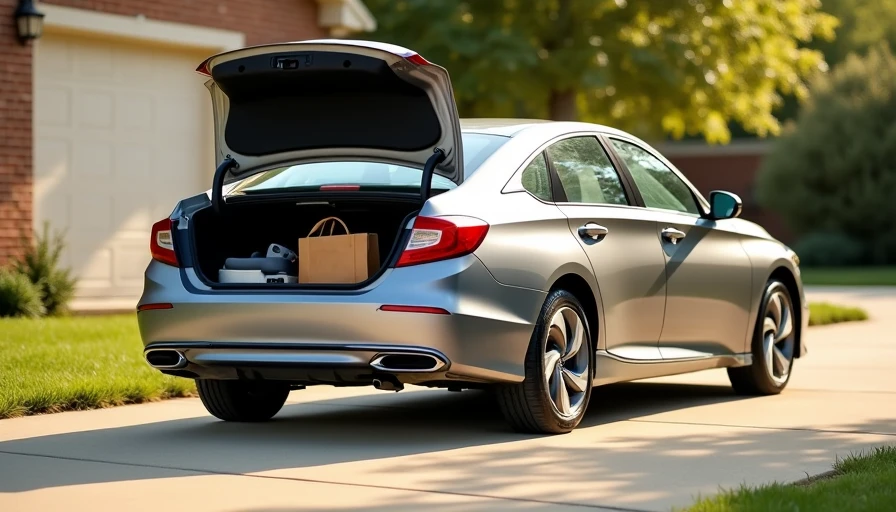
Why Some Parents Are Done With Giant SUVs
I get it. Not every family needs something that feels like a small bus. My wife and I have an 8-year-old son, and while we appreciate space when we need it, daily life in Milwaukee doesn’t require driving a full-size SUV everywhere. Parallel parking, garage fit, fuel stops, and just the general feeling of piloting something more manageable matter a lot.
For years I watched families jump into three-row SUVs because marketing told them they “needed” it. Many ended up stressed, paying more at the pump, and struggling with the sheer bulk in everyday situations. That’s why today I’m focusing on solid alternatives for parents who want practicality without the oversized footprint.
Hi, I’m Nathan Cole. After years around fleet vehicles and real family ownership, I’ve learned that the best family car isn’t always the biggest one. It’s the one that fits your actual life.
What “Hate Driving Huge SUVs” Really Means
If you’re in this group, you probably value:
Easy maneuverability in city traffic and parking lots
Reasonable fuel economy for daily commutes and weekend trips
Simple entry/exit without climbing up into a tall vehicle
Enough space for kids, groceries, sports gear — but not excess
Lower overall ownership costs
The good news? There are excellent options that check these boxes without forcing you into something that feels like driving a delivery truck.
Top Practical Choices for Anti-SUV Families
Here are the vehicles I regularly recommend to parents who want to avoid the big SUV life:
Honda Accord
Still one of the smartest family sedans you can buy. The current generation offers surprising rear legroom and a deep trunk that swallows more than most people expect. It handles beautifully, sips fuel compared to any crossover, and feels planted on Midwest highways. My son fits comfortably in the back with his booster, and loading groceries is straightforward. Used examples from recent years are reliable and affordable to maintain.
Toyota Camry
The king of low-drama family transportation. Hybrid versions are especially strong if you do a mix of city and highway driving. Quiet cabin, comfortable seats, and that legendary Toyota reliability. It doesn’t shout for attention, but it gets the job done day after day without drama. Perfect for parents who just want something that works.
Honda CR-V (smaller crossover option)
If you want a little more height but still hate massive SUVs, the CR-V strikes an excellent balance. It’s noticeably smaller and more nimble than most three-row options while still offering easy child seat access and decent cargo space. The hybrid model is a standout for efficiency. It feels like a car, not a truck.
Subaru Outback
For those who need a bit more capability in snow or light adventure without going full SUV. The wagon-like design gives you great visibility and cargo flexibility while driving more like a car than a truck. All-wheel drive comes standard, which is useful in Wisconsin winters. It’s one of the few options that feels capable without being oversized.
Kia Sportage or Hyundai Tucson (newer models)
These have come a long way. Modern versions offer good interior space, strong warranty coverage, and features families actually use. They’re more car-like in size and driving dynamics than traditional SUVs while still giving you that raised seating position many parents prefer for visibility.
Minivans (if you can get past the image)
Yes, really. Something like a Honda Odyssey or Toyota Sienna (especially the hybrid) can be the smartest choice. Sliding doors make kid loading infinitely easier, cargo space is vastly more usable, and they often drive smoother than big SUVs. The “soccer mom” stigma is expensive — these vehicles are often the most practical tool for the job.
Real-World Tradeoffs to Consider
No choice is perfect, so let’s be honest about the compromises:
Sedans like the Accord and Camry excel in efficiency and handling but have less cargo height. You’ll use the trunk more creatively for taller items.
Smaller crossovers like the CR-V give you easier loading but may feel tight on long trips with full family + luggage.
Wagons and minivans often win on pure practicality but might require you to ignore what the neighbors think.
I always tell people: test these with real life in mind. Bring the hockey bags, the stroller, the weekly grocery haul. Sit in the back seat with your kid’s booster installed. That’s where the truth shows up.
How I Choose for My Own Family
When we replaced our previous vehicle, we specifically avoided anything over a certain size. We wanted something my wife felt confident driving in snow, that didn’t guzzle gas on my commute, and that didn’t make me dread parking at the crowded Costco lot.
We ended up with a vehicle that most people would call “boring.” But after three years, we’re still happy with the decision. Lower insurance, predictable maintenance, and no feeling of wrestling a large truck every day. That peace of mind is worth more than any “premium” badge.
Questions to Ask Before Buying
If you’re in the “no huge SUVs” camp, run your choices through these filters:
Can I comfortably park this in my garage and typical parking spots?
Does it feel manageable when I’m tired after work?
What will real-world fuel economy look like with kids and cargo?
How easy is it to get car seats in and out?
What are the expected maintenance and tire costs over five years?
Don’t let a salesperson talk you into “just sitting higher” if that comes with daily annoyances you don’t need.
The Right Tool for Real Family Life
You don’t need to drive something massive to be a responsible parent. In fact, choosing the right size often makes you a smarter, less stressed one. The best family cars are the ones that make ordinary days easier, not the ones that impress strangers in the drop-off line.
If you hate driving huge SUVs, lean into that feeling. There are excellent, practical alternatives that will serve your family well for years without the bulk, the thirst, or the unnecessary complexity.
Don’t shop the test drive. Shop the next five years. Sometimes the smartest choice is the one that feels just right in size — not the biggest on the lot.