

The Third-Row Trap
Every time a new crossover or SUV launches, the marketing team shouts “Third-row seating!” like it’s the holy grail of family vehicles. Commercials show happy parents with perfectly dressed kids filling every seat, luggage magically fitting in the back, and everyone smiling on a road trip.
In real life? That third row usually becomes expensive storage space that ruins the cargo area and makes the whole vehicle less practical for daily use.
I’m Nathan Cole, father of an 8-year-old in Milwaukee. I’ve been through the car seat phase, the soccer bag phase, and the weekend trip phase. After years watching fleet vehicles and helping families choose cars, I can tell you this: obsessing over third-row marketing often leads to buying the wrong vehicle for actual family life.
Don’t shop the test drive. Shop the next five years.
Why Third Rows Are Mostly Marketing Hype
Let’s be honest. How often do you actually need to seat seven or eight people? For most American families, it’s maybe a few times a year — holidays, sports tournaments, or helping a neighbor. Yet manufacturers build entire vehicles around this occasional need.
The cost? You get a longer, heavier vehicle that’s harder to park, worse on gas, and often has a compromised cargo area when the third row is up. When the third row is folded, the floor isn’t flat, and loading groceries or sports gear becomes annoying.
In my ownership notes, vehicles with usable third rows almost always scored lower on daily family friction than smarter two-row options.
What Parents Should Actually Prioritize
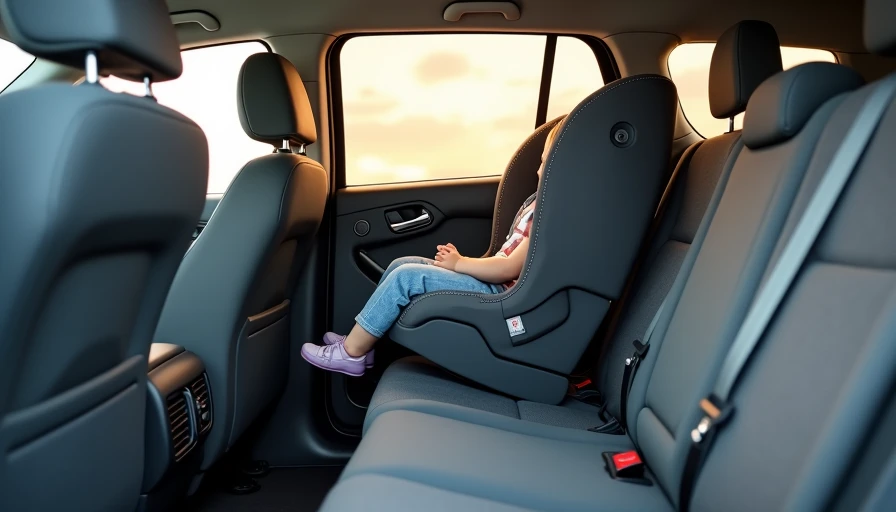
Here are the things that matter way more than having a third row:
1. Easy Car Seat Access and Installation
This is the daily battle. Can you get your kid in and out without pulling a muscle or banging your head? Sliding middle rows and wide door openings win here. Some popular three-row SUVs make you wrestle car seats through narrow gaps while bending at awkward angles.
My wife and I learned this the hard way with our first family vehicle. The “spacious” third row was useless because getting a rear-facing seat in the middle row was a nightmare. We switched to a vehicle with better access and immediately felt the difference.
2. Cargo Space Shape and Floor Height
A deep, flat cargo area beats total cubic feet every time. You need to haul groceries, strollers, scooters, hockey bags, and weekend luggage without playing Tetris.
Look for vehicles with a low load floor and square shape. Many crossovers advertise huge numbers but have wheel wells and sloping roofs that waste usable space.
3. Visibility and Driving Confidence
As a parent, you’re constantly checking mirrors for kids, backing into tight parking spots at school, and merging on highways with a distracted crew in back. Good sightlines matter more than horsepower.
Boxier designs like the Subaru Forester or older Honda CR-V often beat sleeker crossovers here. You can actually see what’s around you instead of guessing.
4. Weather and Regional Practicality
In Milwaukee, we deal with snow, slush, and freezing rain. AWD or good ground clearance helps, but so does easy entry in winter coats and boots. Heated seats and a reliable defrost system become daily heroes.
5. Long-Term Comfort and Durability
Will the seats still be comfortable after hundreds of school runs? Does the climate control keep the whole cabin comfortable when it’s 95 degrees or 10 below?
These are the things you discover in year two and three — long after the excitement of new car smell is gone.
Real Family Scenarios That Matter More
School Run Reality
You’re not gliding down perfect roads. You’re dealing with crowded pickup lines, kids forgetting backpacks, spilled snacks, and sudden rain. A vehicle that makes this less stressful wins.
I’ve seen parents regret buying big three-row SUVs because they’re hard to maneuver in elementary school parking lots. Smaller, more agile options often make daily life smoother.
Grocery and Errand Trips
Most family driving is short errands. A vehicle that’s easy to load, has good visibility, and doesn’t guzzle gas in stop-and-go traffic is perfect.
Weekend Sports and Activities
This is where cargo flexibility shines. Can you fit multiple kids plus gear without folding seats every time? Many two-row crossovers handle this better than compromised three-row models.
Better Questions to Ask Instead of “Does It Have a Third Row?”
How easy is it to install and remove car seats?
Can I see out the back window when the cargo area has normal family stuff?
Is the middle row easy for kids to climb into themselves?
How does it handle with a full family load on the highway?
What will maintenance and tires cost over the next five years?
Does the cargo area work for our actual lifestyle?
These questions lead to much better decisions.
My Personal Family Evolution
When our son was little, we briefly had a three-row SUV. It looked perfect on paper. In practice, we almost never used the third row, the fuel economy was disappointing, and parking it felt like driving a small bus. We traded for a two-row crossover with better access and cargo flexibility and never looked back.
The lesson? Buy for the 95% of your driving, not the 5% that marketing wants you to imagine.
Practical Recommendations by Family Type
Young kids, tight budget: Honda CR-V or Toyota RAV4 — excellent access and proven reliability.
Need occasional extra space: Honda Odyssey minivan — still the champion of family practicality.
Snow and outdoors family: Subaru Forester — great visibility and standard AWD.
Smaller family or city driving: Mazda CX-5 or Honda Accord — nimble and comfortable.
The goal isn’t to find the perfect vehicle. It’s to find one that creates the least daily friction for your specific life.
The Bottom Line
Third-row seating is a great sales feature, but it’s rarely the feature families use most. Focus on what actually reduces stress in your daily routine: easy access, usable cargo, good visibility, and predictable ownership costs.
The best family car is usually the one that makes ordinary Tuesdays easier, not the one that looks impressive in a commercial.
Don’t shop the test drive. Shop the next five years.
If you’re shopping for a family vehicle right now, tell me your kids’ ages, your typical weekly driving, and budget range. I’ll give you honest thoughts on what should matter most for your situation.