
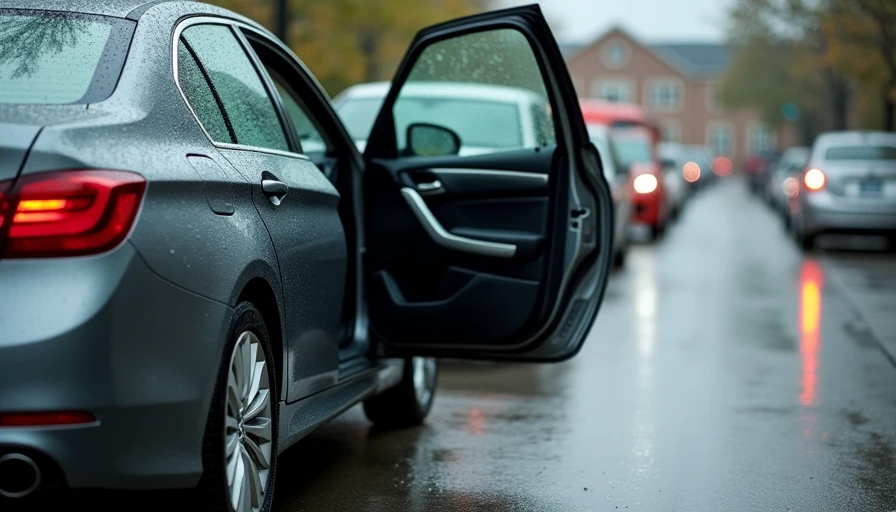
The Gap Between Brochure and School Morning Reality
You sit in a clean car at the dealership. The salesperson talks about safety ratings and third-row space. Everything feels possible. Then Monday morning hits: rain pouring, one kid forgot their lunch, the other needs help with the booster seat, you’re already running late, and someone’s soccer bag is blocking the rear view.
That’s where most family cars either shine or quietly frustrate you for the next five years.
Hi, I’m Nathan Cole, a 42-year-old Milwaukee dad with an 8-year-old son. I’ve lived through enough chaotic school mornings, snowy pickups, and grocery runs after drop-off to know one thing for sure: the best way to judge a family car is the School-Run Test. It reveals what specs and marketing never will.
Why the School Run Is the Ultimate Test
The daily school run combines almost every real-world stress a family car faces:
Tight parking lots and narrow pickup lines
Getting kids in and out quickly, often in bad weather
Managing backpacks, lunch boxes, sports gear, and coats
Visibility when the car is loaded
Easy car seat installation and removal
How the vehicle feels when you’re tired, rushed, or distracted
If a car fails here, it fails where it matters most — in the repetitive, unglamorous moments that make up normal family life.
The School-Run Evaluation Framework
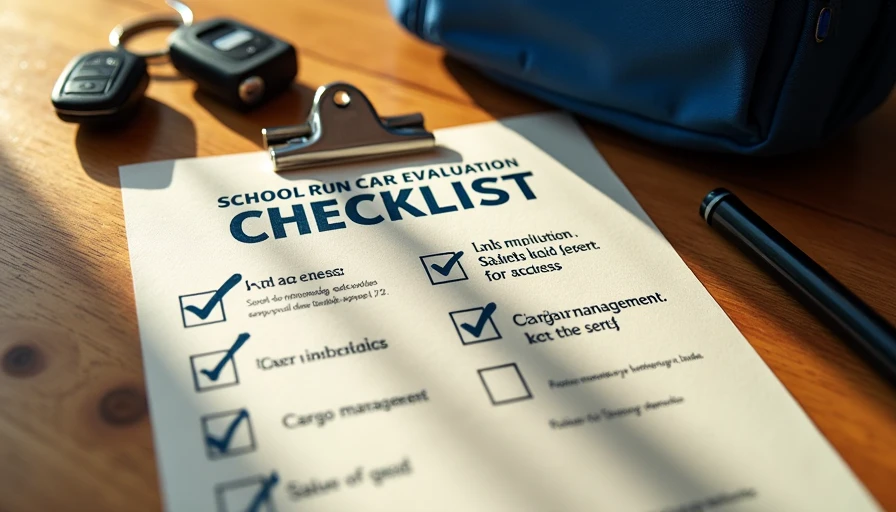
Here’s the practical checklist I use when evaluating any vehicle for family use:
1. Kid Access and Loading Ease
How easy is it to get children into their seats? Sliding doors (minivans) win here. Higher crossovers are better than low sedans for older parents or when kids are in bulky winter coats. Test this with the actual car seat installed.
2. Cargo Management and Visibility
Can you see out the rear window when the back is loaded with backpacks and gear? Is there a smart place for wet umbrellas or muddy boots? Does the cargo area swallow a hockey bag without blocking vision?
3. Parking and Maneuverability
School parking lots are tight. How does the car feel turning in narrow spaces? How’s the turning radius? Big three-row SUVs often become painful here.
4. Climate Control Reality
On a cold Wisconsin morning, how quickly does the rear heat kick in? Can you easily adjust temperature for different zones without pulling over?
5. Small Annoyances That Add Up
Cupholders reachable from the driver seat while buckled
Easy-to-clean floors and seats
Storage for the thousand little things (sunscreen, wipes, snacks)
How noisy the cabin is with kids chatting (or fighting) in the back
Vehicles That Pass the School-Run Test
From real experience, these body styles and models tend to perform well:
Minivans (Honda Odyssey, Toyota Sienna)
They dominate the school-run game. Sliding doors make loading kids effortless even in tight spaces. Massive floor space handles gear without drama. Hybrid Siennas are especially strong for efficiency. Yes, the image takes getting used to — but the daily convenience is hard to beat.
Compact/Midsize Crossovers (Honda CR-V, Toyota RAV4)
Good middle ground. Higher seating helps with car seat access. Reasonable size for parking. Hybrid versions make fuel stops less frequent. They handle Midwest weather well without feeling like a full truck.
Midsize Sedans (Honda Accord, Toyota Camry)
Surprisingly capable if you have one or two kids. Excellent visibility, easy to park, and lower operating costs. The trunk works better than most people expect for school gear. They feel more planted and less stressful to drive in traffic.
What Often Fails the School-Run Test
Large three-row SUVs: Too bulky for daily pickup lines, harder to park, worse fuel economy for short trips.
Sporty sedans or coupes: Low rooflines make car seat installation a back-breaking exercise.
Luxury crossovers with complicated doors/electronics: Extra features become frustrating when you’re in a hurry with kids.
I once tested a premium three-row SUV for a week. It looked impressive but felt exhausting during actual school runs — too wide for the lane, too slow to warm up in the rear, and the third row was useless for daily use.
How to Run Your Own School-Run Test
Don’t just take a quick spin around the block. Do this instead:
Visit the dealership during school hours if possible.
Bring your kids, car seats, backpacks, and typical gear.
Practice the full morning routine: loading, driving a few miles, unloading.
Try it in the rain or cold if you can.
Sit in the back seat yourself to check comfort and ease of getting in/out.
Note how many times you say “this is annoying” during the process.
If the car makes the routine smoother, it’s passing. If it adds friction, keep looking.
My Family’s Current Reality
We’ve landed on a vehicle that works well for our school mornings. It’s not the biggest or flashiest, but it makes the daily dance less stressful. I can get my son loaded without throwing my back out, see clearly even with stuff in the back, and still enjoy reasonable fuel economy on the commute afterward.
That practical peace is worth more than any fancy feature.
Stop Buying for Fantasy Mornings
Marketing sells you adventure and weekend getaways. Real family life is Tuesday mornings in February when everyone’s grumpy and the clock is ticking. Judge cars for that reality, not the brochure fantasy.
The best family car isn’t the one that looks coolest at the stoplight — it’s the one that makes the daily grind less painful and keeps everyone moving smoothly.
Don’t shop the test drive. Shop the next five years. And make sure those five years include a lot of calm, efficient school mornings instead of daily frustration.
Take the School-Run Test seriously. Your sanity — and your back — will thank you.