

The Replacement Dilemma Every Family Faces
Every few years, the same question comes up: Is it time for a new car? And if so, should it be a hybrid or stick with traditional gas? Or maybe — just maybe — the smartest move is keeping what you already have.
I get asked this all the time by friends and readers. The marketing noise around hybrids is loud, gas prices fluctuate, and everyone wants to feel like they’re making the “smart” choice. But after running the numbers on dozens of real vehicles through fleet data and personal ownership, I’ve learned that the answer is rarely simple.
Hi, I’m Nathan Cole, 42-year-old Milwaukee dad. Today I’m giving you a practical, no-hype breakdown to help you decide between going hybrid, staying with gas, or keeping your current car.
The Three Options Clearly Defined
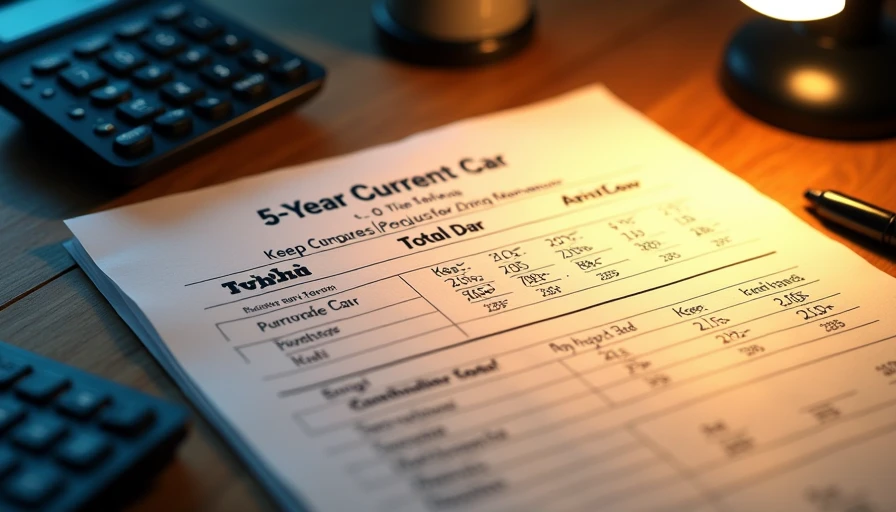
Hybrid: Usually higher upfront cost, better fuel economy, potentially lower long-term fuel and some maintenance savings, but with battery and system complexity.
Gas: Lower purchase price, simpler mechanics, predictable costs, but higher fuel expenses depending on mileage and gas prices.
Keep What You Have: Zero new purchase cost, but potentially rising maintenance as the car ages, and missing out on efficiency gains.
The right choice depends heavily on your annual miles, fuel prices in your area, how long you plan to keep the car, and your current vehicle’s condition.
Real 5-Year Cost Breakdown
Let’s use realistic Milwaukee-area numbers for a typical family doing 14,000 miles per year.
Scenario 1: Buy a New/Recent Hybrid (e.g. Toyota Camry Hybrid)
Purchase premium: +$6,000–$9,000 over gas version
Fuel savings: ~$900–$1,300 per year
Maintenance: Slightly higher in years 4-5 due to battery/system checks
Insurance: Usually a bit higher
Net 5-year extra cost vs gas: Often breaks even or saves $1,000–$3,000 if you keep it long enough
Scenario 2: Buy a Gas Version
Lower entry price
Higher fuel costs (~$1,100–$1,500/year)
Simpler and usually cheaper maintenance
Better for people who drive fewer miles or plan to keep the car shorter term
Scenario 3: Keep Your Current Car
No new loan or big cash outlay
Continue current insurance and maintenance
If your car is reliable and under 120k miles with good records, this is often the winner financially
Biggest risk: surprise major repairs (transmission, engine, etc.)
In many cases I’ve seen, keeping a solid 4–7 year old car saves the most money over five years.
When a Hybrid Actually Makes Sense
Hybrids shine in these situations:
You drive 15,000+ miles per year, mostly city/highway mix
You plan to keep the car at least 5–6 years
Gas prices stay above $3.50/gallon in your area
You want lower emissions and quieter driving
Toyota and Honda hybrids have proven to be very reliable. The battery warranty (usually 8–10 years) covers most concerns. Real-world owners often see strong resale value too.
When Gas Is Still the Better Choice
Gas makes more sense when:
Your annual mileage is under 10,000–12,000
You prefer simpler maintenance and lower repair complexity
You find a great deal on a low-mileage gas model
You don’t want to pay the hybrid premium upfront
Many mainstream gas sedans and crossovers remain excellent long-term choices.
When You Should Just Keep Driving What You Have
This is often the smartest financial move:
Your current car has clean service history
No major repairs are due in the next 2–3 years
You’re happy with its size and features
The math shows the monthly cost of a new car doesn’t justify the change
I’ve kept vehicles longer than most people expected because the numbers simply didn’t support replacing them. “Boring but paid off” often beats “new and exciting but financed.”
My Personal Rule for This Decision
I run a simple calculation:
Estimate 5-year total cost for each option (purchase + fuel + maintenance + insurance – resale)
Factor in how much I value my time and peace of mind
Only switch if the new option saves real money or solves a real problem with the current car
Most of the time, the “keep what you have” option wins unless the current vehicle has become unreliable or no longer fits family needs.
Real Stories From Real Families
One friend traded his 2016 gas Accord for a new hybrid. After two years he admitted the fuel savings were real but smaller than expected, and he missed the lower stress of his simpler old car.
Another neighbor kept his 2017 Camry until 185,000 miles. The money he saved by not buying new went into his son’s college fund and family vacations. He still drives it happily.
Bottom Line: Run Your Own Numbers
Don’t let headlines or dealership pressure decide for you. Take 30 minutes, plug in your actual mileage, local gas prices, and current car condition into a simple spreadsheet. The math usually tells a clearer story than emotions.
For most normal families in places like Milwaukee, keeping a reliable gas car longer or buying a well-proven used hybrid both beat rushing into something new just because it feels responsible.
Don’t shop the test drive. Shop the next five years. Sometimes the best decision is the one that keeps money in your pocket and stress out of your garage.