
The Flashy Features Trap
Walk onto any car lot today and the salesperson will immediately highlight the giant touchscreen, the fancy ambient lighting, the 360-degree camera, and the “premium” audio system. These things look impressive during the test drive. They make the car feel modern and expensive.
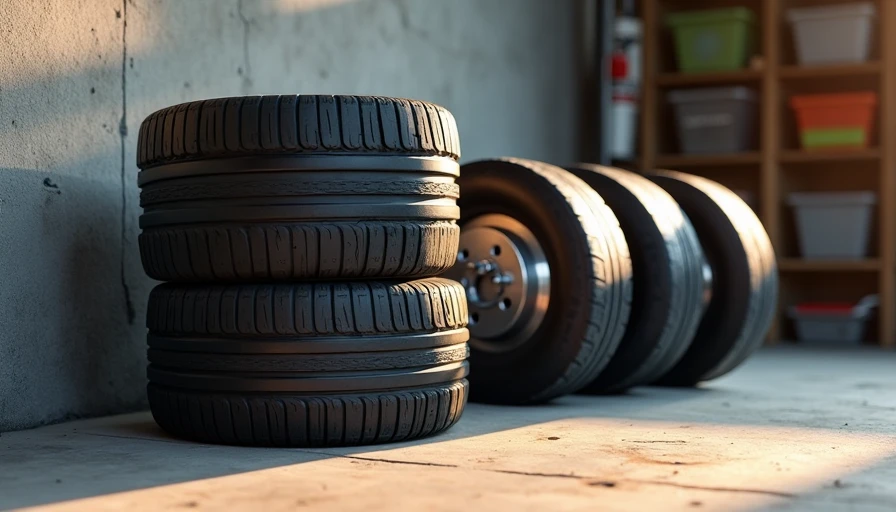
But fast-forward three years. That beautiful touchscreen is now just normal. Meanwhile, you’re staring at a $1,400 tire replacement quote, a $900 brake job, and an insurance bill that keeps creeping up.
Hi, I’m Nathan Cole, 42-year-old Milwaukee dad with years of fleet purchasing and used car experience. I’ve learned the hard way that tires, brakes, and insurance matter far more than touchscreens when it comes to real-world ownership. Today I’m breaking down why these boring items deserve your attention long before you fall in love with glowing infotainment.
The Real Cost Hierarchy Most Buyers Get Backwards
New car marketing wants you focused on what’s shiny and new. Smart owners focus on what repeats year after year.
Touchscreens and tech are mostly one-time excitement. After six months they become background noise. They rarely save you money and sometimes add to repair costs when they glitch.
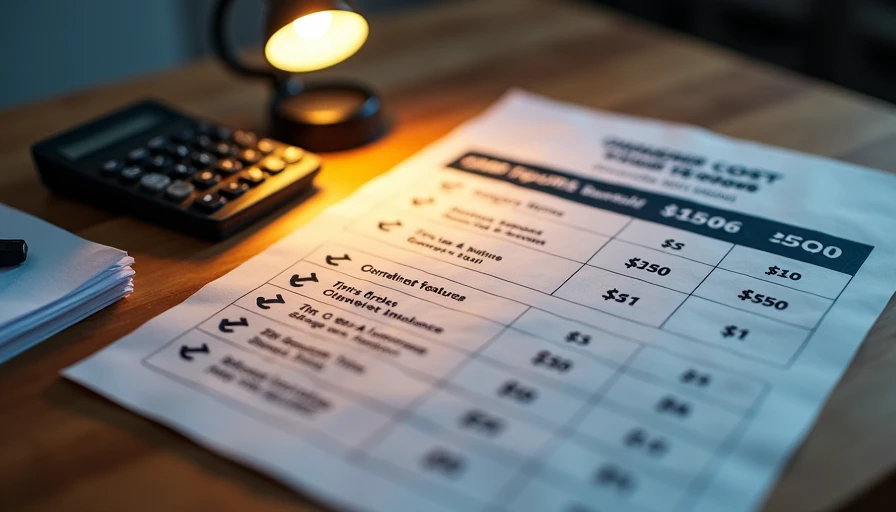
Tires, brakes, and insurance are recurring expenses that quietly determine your true cost of ownership. They don’t get better with software updates. They wear out, need replacement, and directly impact your monthly budget.
From my fleet days, vehicles with lower recurring costs consistently delivered better long-term value, even if they felt less exciting on day one.
Why Tires Are More Important Than You Think
Tires are one of the biggest maintenance expenses most families face — and one of the most ignored during shopping.
A set of decent all-season tires can easily cost $800–$1,400 depending on the vehicle size and type. Performance-oriented cars or crossovers often require more expensive sizes. Replace them every 40,000–60,000 miles and suddenly you’re looking at real money over five years.
Key things I look for now:
What tire size does the car use and how much do quality replacements actually cost?
Does the vehicle eat tires quickly due to alignment issues or heavy weight?
Are winter tires needed in your climate? (Very relevant in Wisconsin)
I once owned a crossover that needed new tires at 38,000 miles. The bill was painful. My current sedan is on its second set at 95,000 miles and still has decent tread. That difference adds up fast.
Brakes: The Silent Budget Killer
Brakes are another item that separates good ownership experiences from frustrating ones.
Modern cars with heavier curb weights or enthusiastic drivers can chew through brake pads and rotors surprisingly fast. A full brake job (pads + rotors) on many popular crossovers now runs $700–$1,200 per axle at independent shops.
Factors that increase brake costs:
Stop-and-go city driving
Heavier vehicles
Aggressive driving styles (even if unintentional with kids in the car)
Cheap original equipment that wears quickly
Reliable sedans often have lighter weight and better brake longevity. This is one area where “boring” cars frequently win.
Insurance: The Cost That Keeps Rising
Insurance is frequently overlooked during the excitement of buying. Yet it can easily add hundreds — sometimes thousands — per year depending on the model.
Vehicles with higher repair costs, theft rates, or poor safety ratings cost more to insure. Flashy crossovers and SUVs often carry higher premiums than sensible sedans. As the car ages, the gap can widen because parts for newer tech-heavy vehicles remain expensive.
I always recommend getting insurance quotes before you buy, not after. The difference between two similar vehicles can be $300–$600 annually. Over five years that’s real money that could have gone toward better tires or family trips.
Real-World Comparison: Tech vs Boring Costs
Let me give you a practical example from real ownership:
Vehicle A (Tech-heavy compact crossover):
Eye-catching touchscreen and driver aids
Tire replacement every 45k miles: ~$1,200
Brake jobs more frequent: ~$950 average
Insurance: higher due to repair costs
Total 5-year recurring costs: noticeably higher
Vehicle B (Practical midsize sedan):
Basic but functional controls
Tires lasting 60k+ miles: ~$950
Less frequent brake service: ~$700
Lower insurance premiums
Total 5-year recurring costs: meaningfully lower
The sedan often ends up cheaper to live with despite feeling less “premium” on delivery day.
How to Evaluate These Costs Before Buying
Here’s my practical checklist:
Research tire costs — Search common replacement prices for that exact model and year.
Check brake service intervals — Look at owner forums for real-world experiences.
Get insurance quotes — Use multiple providers with the specific trim and mileage.
Factor in your driving — Be honest about your commute and family usage.
Calculate 5-year total — Include these recurring items in your ownership math.
This process takes maybe 30–45 minutes but can save you thousands.
The Mindset Shift That Saves Money
Stop falling for the “new and shiny” trap. A car with great tires, predictable brakes, and reasonable insurance will make you happier in year three than one with a fancy dashboard you barely notice anymore.
My family’s current vehicle isn’t the most technologically advanced on the block. But I sleep better knowing our ongoing costs are manageable and predictable. That peace of mind is worth more than any glowing screen.
The car industry wants you chasing features. Real life rewards those who focus on the boring but expensive truths.
Don’t shop the test drive. Shop the next five years. And make sure those five years don’t include surprise tire, brake, or insurance bills that wreck your budget.