

Why Most People Forget What Really Matters
After you sell or trade a car, the details fade fast. You remember it was “pretty good” or “kinda annoying,” but you forget the actual numbers — how much you spent on tires, what the real fuel economy was in winter, or the little frustrations that added up over time.
That’s why I started keeping detailed ownership notes on every vehicle I drive. It’s one of the simplest habits that has saved me the most money and regret over the years.
Hi, I’m Nathan Cole, a 42-year-old Milwaukee dad. What began as a personal quirk has become one of my most valuable tools for judging cars. Today I’m sharing exactly what I track, how I do it, and how you can build your own system.
The Problem With Relying on Memory
Our brains are terrible at remembering ownership realities. We remember the fun test drive or that one big repair, but we forget the slow creep of costs or the daily annoyances that wear us down. Written notes remove emotion and give you clear data for the next purchase.
My Simple Ownership Notes System
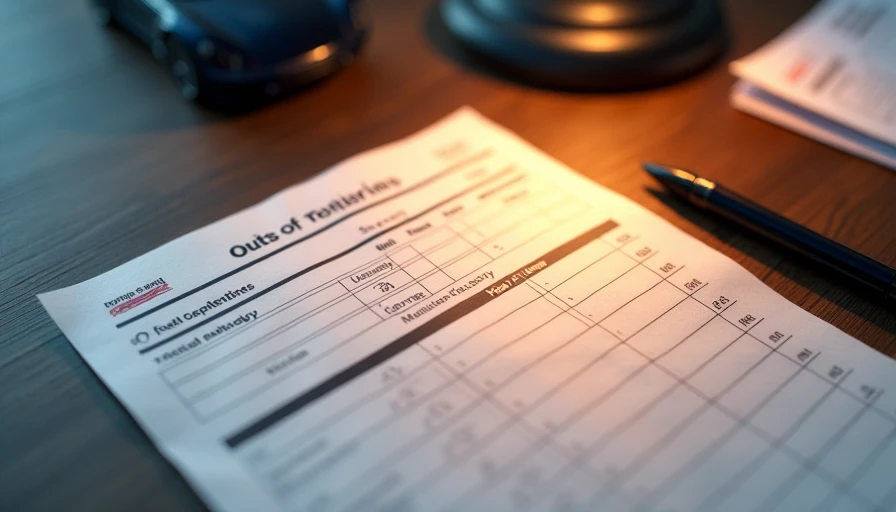
I use a basic notebook (or a digital note on my phone when traveling) with the same structure for every car:
Vehicle Basics
Make, model, year, purchase price, purchase date, odometer at purchase
Monthly/Quarterly Tracking
Fuel economy (I calculate it every fill-up)
Maintenance and repair events with dates and costs
Tire wear and replacement notes
Insurance cost per year
Any recurring annoyances (wind noise, uncomfortable seats, etc.)
Real-Life Performance
Winter performance (snow, cold starts, heating)
Family usability (car seat ease, cargo with kids)
Highway comfort on Midwest road trips
Noise levels and driving feel over time
Cost Per Mile Calculation
I update this every 6–12 months. It’s often eye-opening.
What I’ve Learned From Years of Notes
Looking back at my old notebooks reveals clear patterns:
The cars I thought were “fine” at purchase often showed their true cost around year 3.
Fuel economy almost always dropped in real life compared to window sticker numbers, especially with a full family load.
Certain models had predictable expensive services at specific mileages.
The “boring” cars consistently had lower total cost of ownership and fewer complaints in my notes.
For example, my old Camry notes showed incredibly stable costs and only minor complaints even at high mileage. Meanwhile, a crossover I owned had nice initial notes but quickly filled with repair entries and fuel complaints.
Sample Template You Can Use
Here’s the basic format I recommend:
Vehicle: 2018 Honda Accord LX
Purchase Date: March 2022 | Miles: 47,000 | Price: $19,800
Fuel Economy Log
Summer highway: 34–36 mpg
Winter city: 26–28 mpg
Maintenance Record
52k: Oil change + tire rotation - $89
68k: Brakes front - $680
85k: Transmission service - $320
Notes & Quirks
Excellent rear legroom for booster seat
Trunk space better than expected
Some wind noise above 70 mph
Heater takes 8–10 minutes to warm rear in -10°F weather
Total Cost So Far: $0.42 per mile (including fuel, maintenance, insurance)
How This Habit Improves Future Purchases
Having these notes changes everything:
You stop romanticizing past cars and see their real strengths and weaknesses.
You know exactly what questions to ask when shopping for the next vehicle.
You become much better at estimating true 5-year costs.
You avoid repeating the same mistakes (like buying cars with poor winter performance in Wisconsin).
This is one reason I’m so confident recommending certain models — my notes back it up with real data, not just feelings.
Start Small If You’re New to This
You don’t need a fancy app or perfect system. Just grab a notebook and start recording:
Purchase details
Every fuel fill-up with mileage and gallons
Every repair with cost and odometer reading
Monthly notes on what you like and dislike
After two or three vehicles, the value becomes obvious.
The Long-Term Payoff
My ownership notes have saved me from several bad purchases and helped me appreciate the quietly excellent ones. They turned subjective feelings into objective data.
The cars that look good in my notes years later are almost always the ones that were boring but competent from day one. They didn’t impress me immediately, but they earned my respect over time.
Don’t shop the test drive. Shop the next five years. And the best way to do that is to start learning from every mile you actually drive.
Try keeping simple notes on your current car. In a year you’ll thank yourself — and you’ll make much better decisions when it’s time for the next one.