
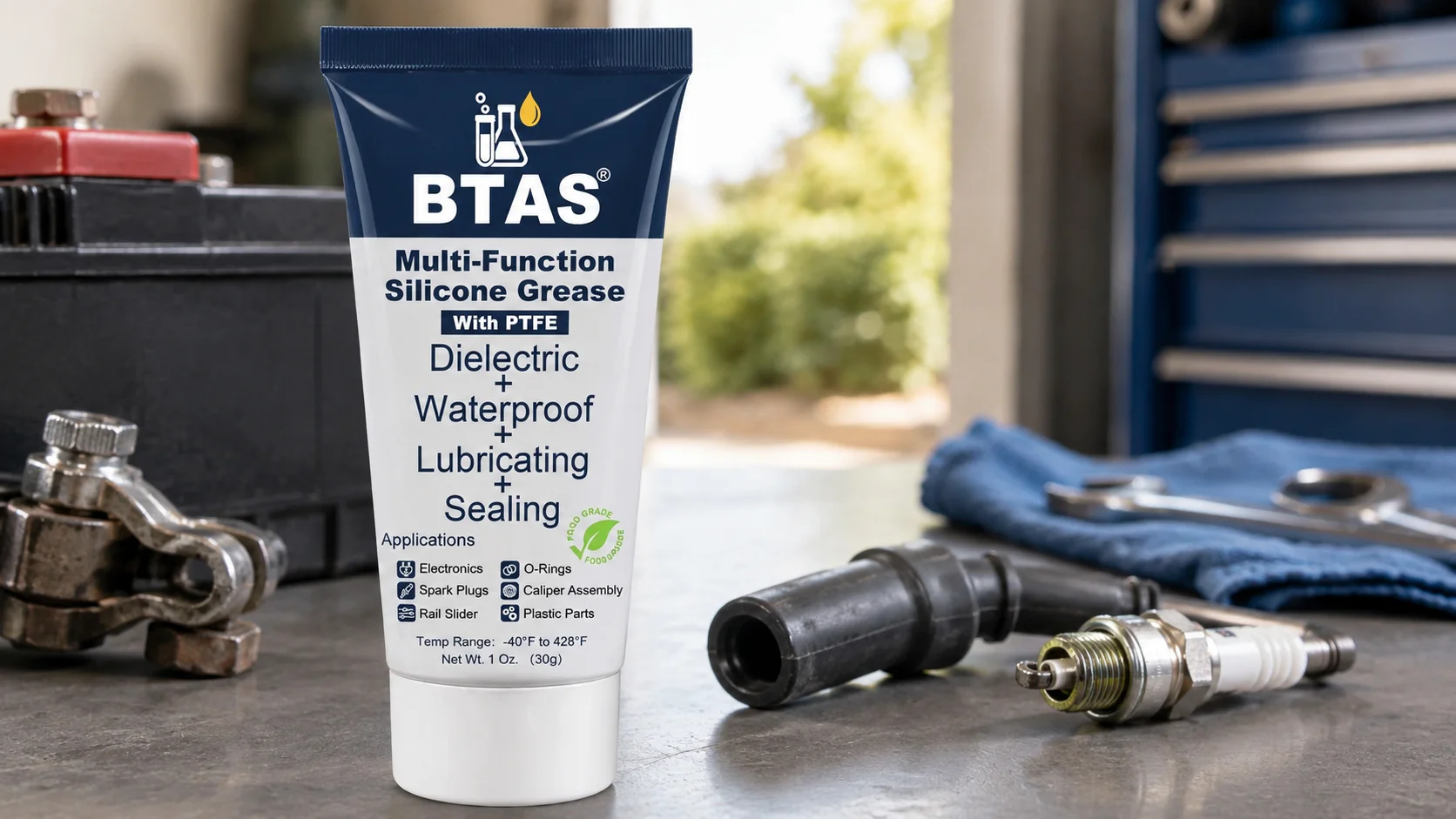
I’ve never been the guy who buys the shiniest tools or chases every new gadget. After years coordinating fleet vehicles for a regional logistics company and later working operations for an independent used-car group, I learned that the things that keep a vehicle running right for families are usually the boring ones nobody brags about. One of those quiet heroes is a small tube of dielectric grease for electrical connectors.
Most people only think about electrical issues when a check engine light appears or a bulb refuses to seat properly. By then, corrosion has already started its slow work. A good dielectric grease changes that story before problems begin.

Add BTAS silicone grease to your garage toolkit
The “Before” Snapshot: Living with Exposed Connections
Picture a typical Milwaukee winter morning. You’re rushing the kids to school. The battery terminals look okay from a distance, but underneath the road salt and moisture, oxidation is building. Spark plug boots start cracking after heat cycles. Headlight connectors get finicky. I’ve seen this pattern repeatedly in fleet data and my own driveway.
Connectors that looked fine at purchase slowly develop resistance. Bulbs become hard to remove without damage. Trailers, boats, or outdoor equipment many families use suffer faster when water finds its way in. The real cost isn’t always dramatic failure. It’s gradual frustration: stuck bulbs, intermittent gremlins, and the sense that reliability is quietly slipping away.
Dielectric grease for battery terminals corrosion prevention addresses exactly this pain point that most buyers ignore until it’s too late.
The Breaking Point: Why I Finally Committed to Better Protection
A few years back, replacing headlights on our daily driver turned into a battle. Old bulbs had practically welded themselves in place. Cleaning the corrosion took longer than the swap. That same week, white powder appeared on the truck’s battery terminals. I’d been meaning to handle it “someday.”
That was my breaking point. I stopped treating electrical maintenance as an afterthought and researched what professionals use on high-mileage fleet vehicles. The consistent recommendation was a proper silicone dielectric grease formulated to seal, lubricate, and insulate without conducting electricity.
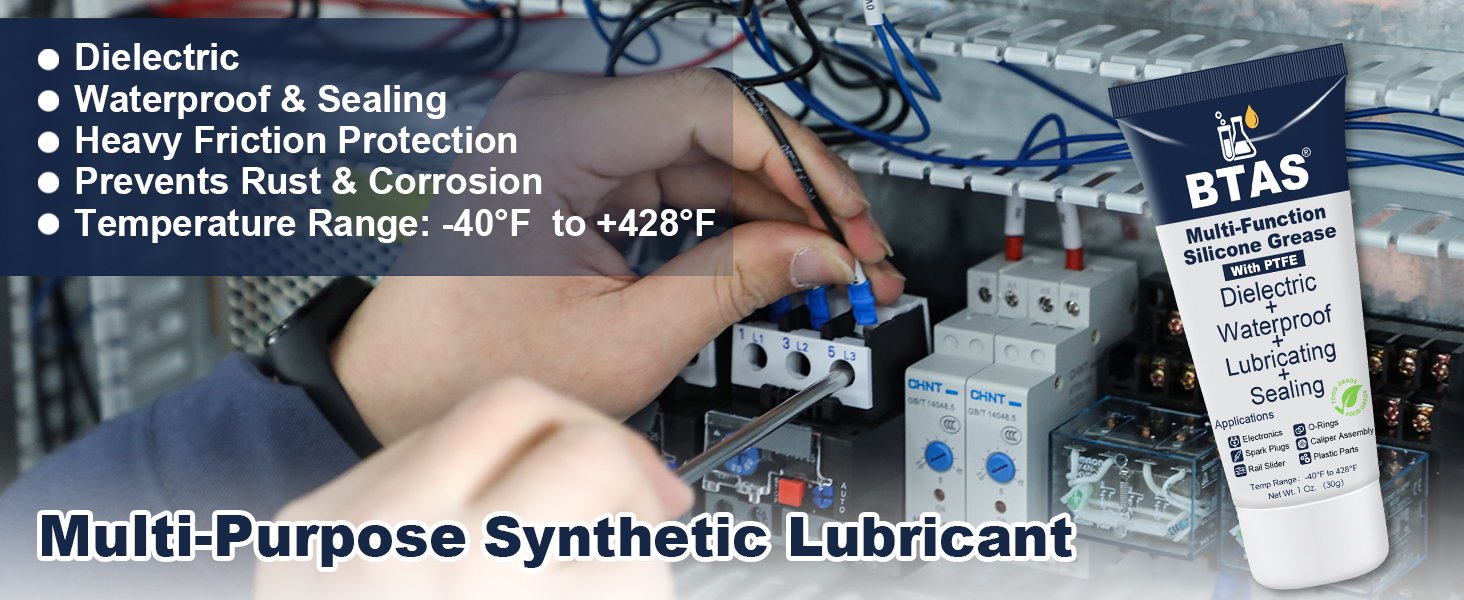
The First 7 Days with BTAS Dielectric Grease
I chose the BTAS 1 oz tube (ASIN: B0D6R543V2) because the size fits normal family vehicle owners who want to do the job right without waste. First job: battery terminals. After cleaning, a thin coat on the posts and inside the clamps made reconnection smooth and gave confidence through another salted Wisconsin winter.
Next, spark plug boots. I applied a light coat to the first quarter inch inside each rubber boot. Everything seated cleanly. A week later, swapping finicky interior bulbs was effortless. The tube’s consistency stays workable even in cooler garage temperatures.
This is the best dielectric grease for spark plug boots I’ve used in real ownership scenarios.
The Unspoken Wins: What I Didn’t Expect
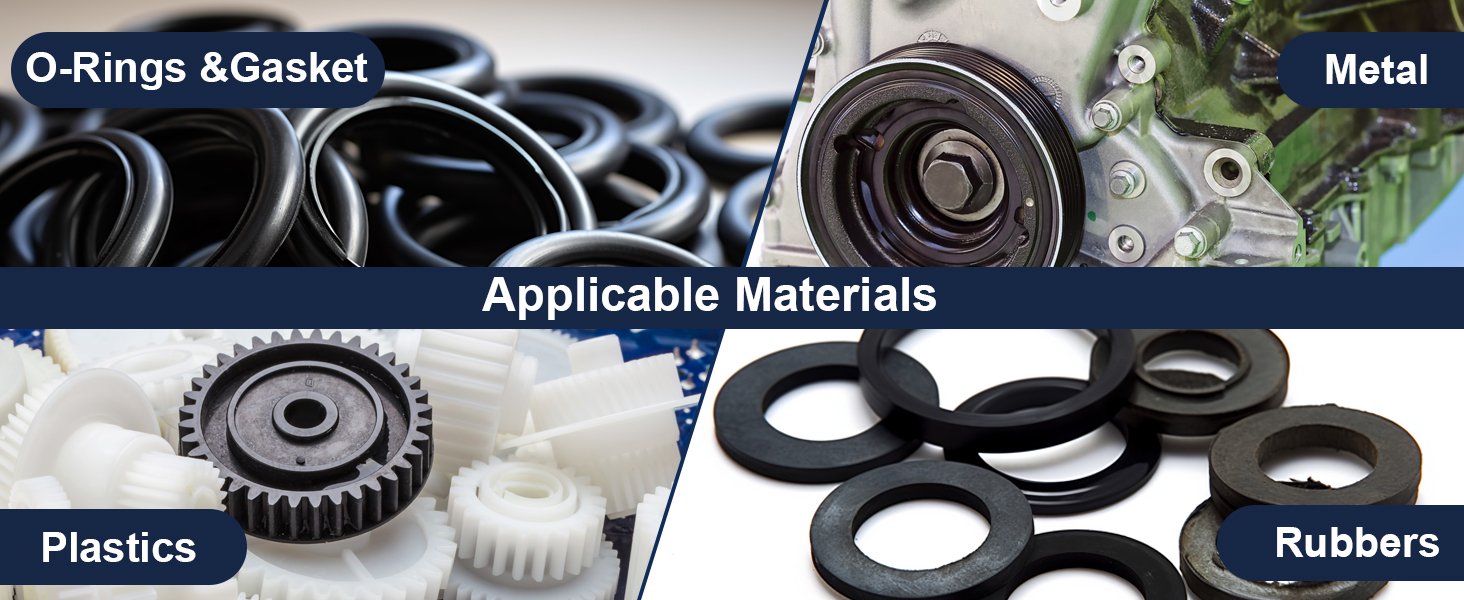
The BTAS handles extremes: -40°F to +428°F. That matters for family cars enduring Midwest winters and long summer highway runs. It’s multi-surface friendly with rubber, plastic, and ceramic—no degradation issues.
Real owners echo this. One user noted it’s “an absolute necessity” for automotive applications and screw-in house lightbulbs, making removal easy later. Another praised how it “keeps water out of my solar connectors.” A third highlighted coating rubber gaskets to prevent drying and cracking “down the road...literally.” These aren’t hypothetical—they match what I’ve observed in practice.
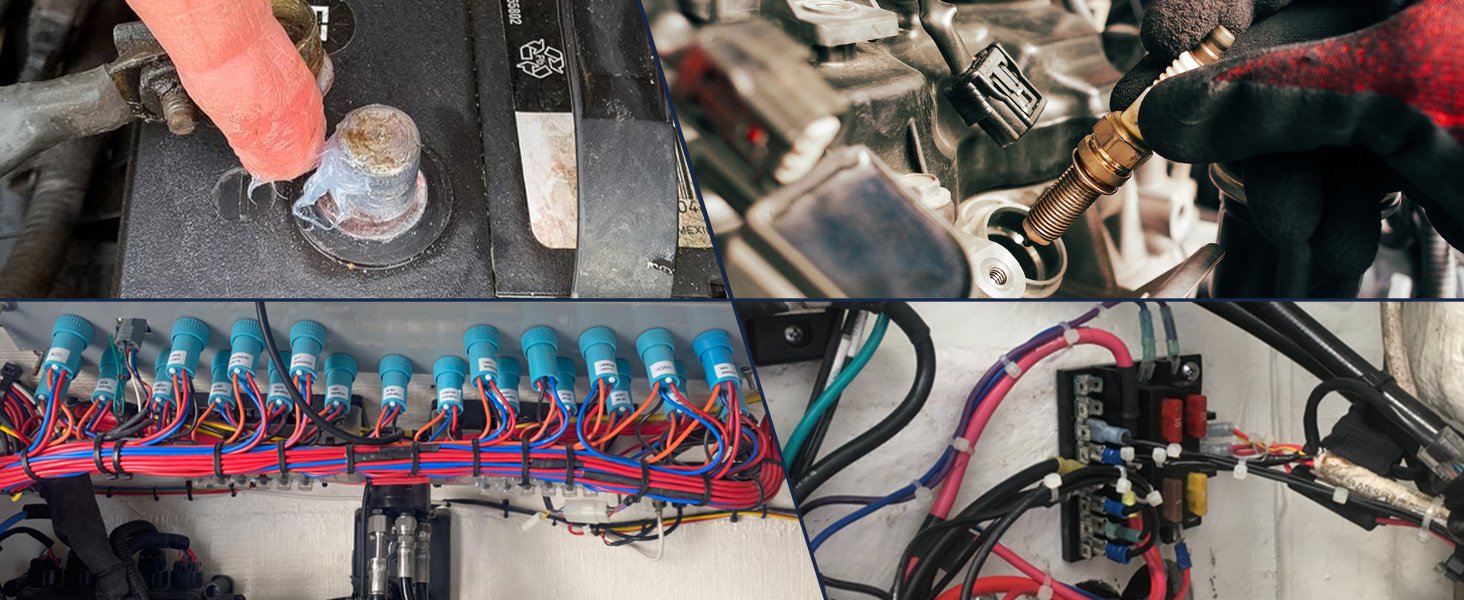
Real Owner Use Cases (From the Garage)
Beyond my experience, verified buyers highlight practical wins:
LED bulb upgrades and halogen-to-LED conversions: “I mostly use it for automotive bulbs… especially switching from halogen to LED. This grease acts as a lubricant, so bulbs install easily, and it prevents corrosion.” Easy installation and future removal without damage.
Solar and outdoor setups: “Works well for intended use, keeps water out of my solar connectors.” Perfect for anyone with trailers, boats, or backyard solar.
Rubber component longevity: “Use this to coat the first 1/4 inch of the inside of your spark plug rubber boots… Can also be used on rubber gaskets to swell them a little, and prevent from drying out.”
Everyday practicality: The small tube prevents “lifetime supply” waste in the garage while staying findable when needed.
These stories reinforce why dielectric grease for electrical connectors delivers quiet, compounding value.
Is There a Catch? BTAS vs. Alternatives in the Long Run
You can buy dielectric grease at any parts store, often in bigger tubes. Some are too thick, some too thin. BTAS balances workability and staying power well. At around $7.99, the 1 oz size is practical for families.
Silicone dielectric grease vs petroleum jelly is a key comparison. Petroleum products can degrade rubber over time. A proper non-conductive silicone formula like BTAS is designed specifically for this job—safer for automotive electrical connectors, spark plug boots, and battery terminals.
Compared to skipping protection, this is night and day. It maintains ignition system performance and prevents the small issues that add up in ownership costs.
Internal Link: This kind of low-drama maintenance ties directly into what fleet data taught me about real reliability—see my piece on What Working Around Fleet Vehicles Taught Me About “Reliable” Cars. It also beats flashy features, as I covered in Why Tires, Brakes, and Insurance Matter More Than Touchscreens.
Your “After” Photo Starts Here
Months later, the difference is quiet reliability. No more worrying about connections through seasons. Bulb changes take minutes. The small tube lives in my main toolbox.
This maintenance aligns with how I think about cars: boring at application, brilliant years later.

Frequently Asked Questions
What exactly is dielectric grease for electrical connectors and why do I need it?
Dielectric grease is a non-conductive silicone-based lubricant that seals, protects, and insulates electrical connections. It prevents corrosion on battery terminals, spark plug boots, wiring, and more. For everyday drivers, it’s high-ROI maintenance—cheap insurance against electrical headaches and one of the smartest steps for long-term ownership.
Can I use dielectric grease on spark plug boots?
Yes—apply a thin layer inside the first 1/4 inch of the rubber boot. It helps smooth installation, prevents drying/cracking, and eases future removal. Keep it off the metal contact. Many call this the best dielectric grease for spark plug boots for good reason.
Is BTAS dielectric grease good for battery terminals corrosion prevention?
Absolutely. Clean first, then coat posts and clamps. It provides outstanding oxidation resistance while allowing solid contact. It holds up through harsh winters.
How does BTAS compare to other brands or larger tubes?
The 1 oz size is practical and economical—you use what you need without misplacing giant containers. Customers say it “works exactly as intended” and is priced well compared to brick-and-mortar options. Temperature range covers real automotive use perfectly.
Will dielectric grease fix existing corrosion?
Best as prevention after thorough cleaning. It stops further damage but won’t dissolve heavy buildup. Combine with proper inspection for best results.
Is it safe for LED bulb installations and halogen to LED conversions?
Yes. Owners specifically recommend it for these upgrades. It lubricates bases for easy install/removal and prevents corrosion-related flickering or failure.
Can I use it for marine, solar, or outdoor applications?
Excellent for boat wiring, trailer connectors, solar setups—any moisture-exposed connections. Waterproofing and multi-surface compatibility shine here.
How much should I apply and where else?
A little goes far—a thin, even coat. Great for automotive electrical connectors, rubber gaskets, and more. Avoid over-application on actual contacts.
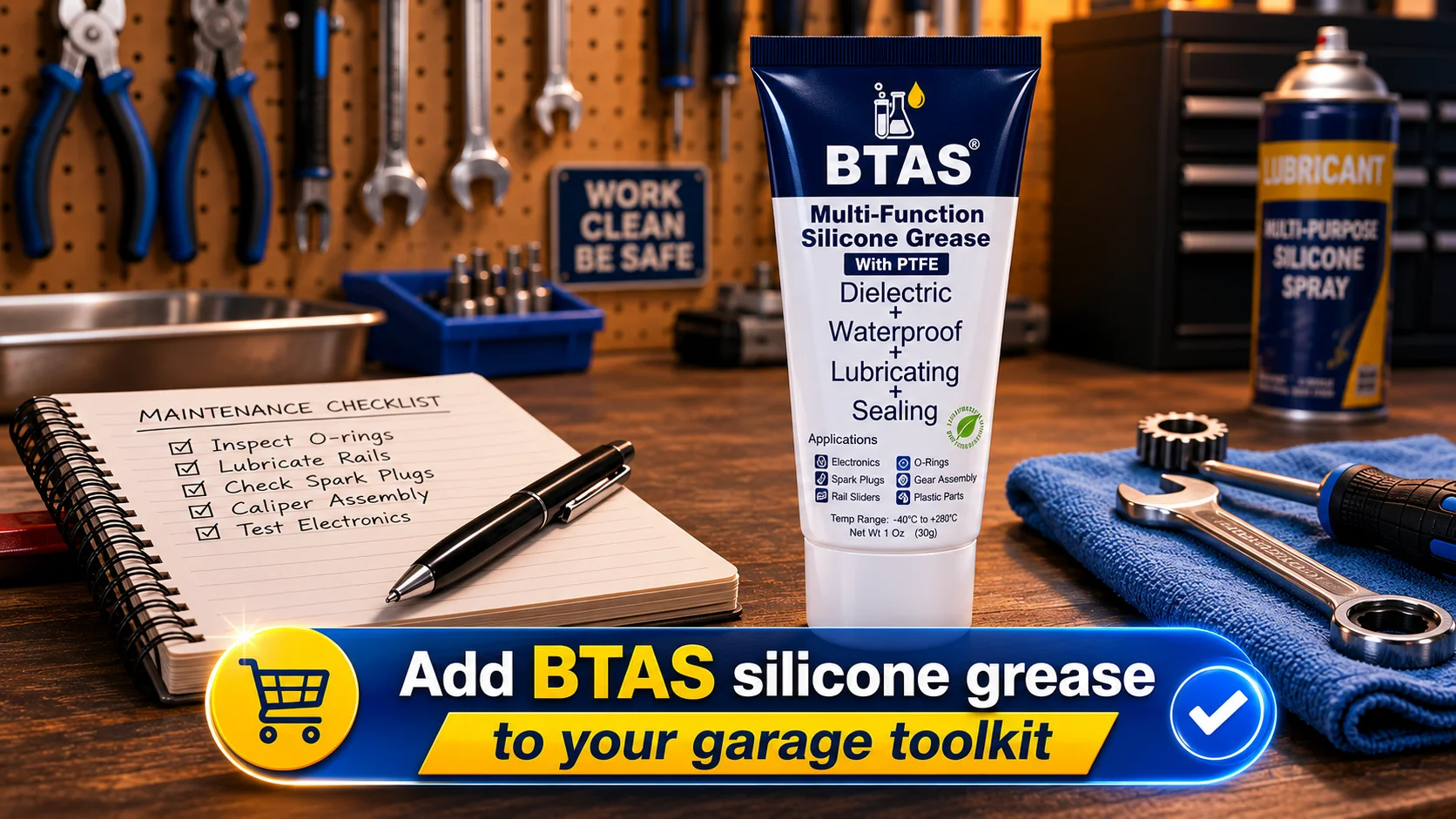
Add BTAS silicone grease to your garage toolkit
This isn’t the most exciting upgrade, but after years around vehicles, these small practical steps separate reliable daily drivers from expensive headaches. A tube of dielectric grease for electrical connectors is exactly that kind of step.
Don’t shop the test drive. Shop the next five years.