
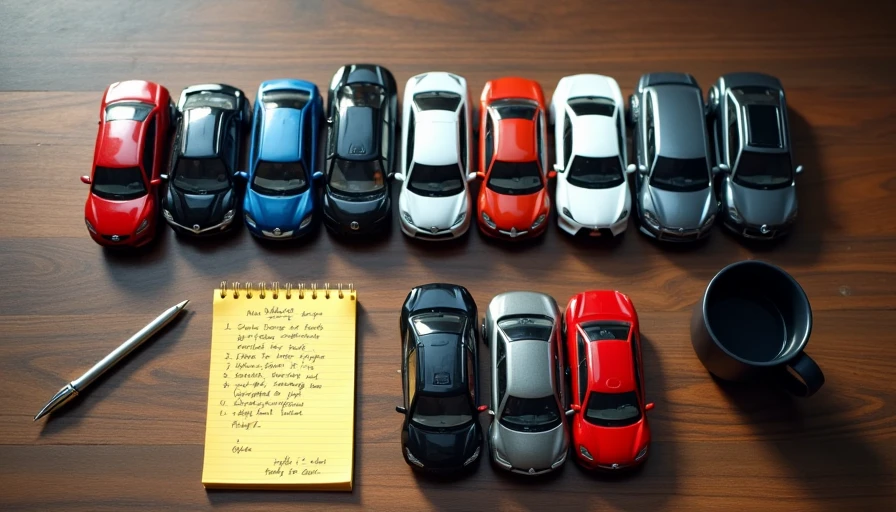
Why Most “Best Used Car” Lists Are Useless
Walk into any online forum or watch a YouTube video and you’ll see the same recycled recommendations. Everyone loves to throw around Toyota Camry and Honda CR-V like they solve every problem. But here’s the truth most lists won’t tell you: a good used car for a single guy in the city is often a terrible choice for a family in the Midwest dealing with snow, soccer gear, and tight budgets.
I’m Nathan Cole. After years reviewing fleet data and used-car auction records, I’ve learned that the best family used cars aren’t always the most popular or the ones with the shiniest reputation. They’re the ones that quietly deliver low ownership stress and predictable costs once the honeymoon phase ends.
Don’t shop the test drive. Shop the next five years.
Today I’m sharing 10 used vehicles I’d actually feel good about a normal American family buying. These aren’t hype picks. They’re practical, boring-in-a-good-way choices based on real-world durability, parts availability, insurance costs, and how they handle family life.
My Selection Criteria
Before we get to the list, here’s how I judge these cars:
Reliability after 80,000 miles: Not just initial reputation
Repair costs: How expensive and frequent are common fixes?
Family practicality: Cargo space, car seat ease, winter performance
Resale and depreciation: Will it hold value or become a money pit?
Insurance and fuel reality: What normal families actually pay
Service accessibility: Can regular mechanics work on it without specialty tools?
I excluded cars that look great on paper but become nightmares in year 3-5 of ownership.
The 10 Recommendations

1. Toyota Camry (2015–2018)
Still the safe, boring choice that keeps working. The 2.5L four-cylinder is nearly bulletproof. Expect 28-34 mpg combined. Rear seats fit car seats easily, and trunk space handles weekly groceries without drama. Avoid the hybrid if you do mostly short trips in cold weather. These hold value well but don’t overpay for low mileage.
2. Honda Accord (2014–2017)
Slightly more engaging to drive than the Camry while remaining extremely reliable. Excellent visibility and a comfortable ride for long family trips. The V6 versions are surprisingly efficient and have strong transmission records. Great option if you occasionally need to merge confidently with a car full of kids and gear.
3. Toyota RAV4 (2013–2018)
The crossover that actually makes sense. Available AWD handles Midwest winters better than most sedans. Cargo area is genuinely useful with seats folded. The 2.5L engine is durable, though some years had minor transmission hesitation. Look for one with maintenance records.
4. Honda CR-V (2012–2016)
Spacious, reliable, and easy to live with. The magic seats in older models are genuinely useful for tall items. Excellent ground clearance for light snow or flooded parking lots. Fuel economy is decent, and parts are everywhere. One of the few crossovers that doesn’t feel like it’s trying too hard.
5. Subaru Forester (2014–2018)
If you actually need AWD and ground clearance, this is my top pick. The boxer engine is unique but proven. Standard Symmetrical AWD works great in snow without the fuel penalty of some systems. Boxy shape means excellent visibility and cargo space. Slightly higher repair costs than Toyota/Honda but worth it for real winter families.
6. Toyota Highlander (2014–2019, non-hybrid)
When you do need three rows occasionally. The V6 is strong and reliable. Middle row slides easily for car seat access. Much better than many newer “three-row” crossovers that sacrifice everything for styling. Fuel economy isn’t amazing but predictable.
7. Honda Odyssey (2012–2017)
Yes, a minivan. Minivan shame is expensive. This thing swallows more family stuff than most SUVs while getting better mileage and being easier to park. Sliding doors are a lifesaver with kids in car seats. The V6 is smooth and proven. One of the most practical family vehicles ever made.
8. Mazda3 Hatchback (2015–2018)
For smaller families or those who refuse to drive something boring. Surprisingly roomy cargo area, fun to drive, and reliable if you avoid the turbo models. Excellent build quality and nice interior for the price. Great second car or for families who don’t need maximum space.
9. Toyota Corolla (2014–2019)
The ultimate “keep it simple” choice. Cheap to buy, cheap to run, and will probably outlast most flashier options. Surprisingly comfortable for daily commutes. Not exciting, but that’s the point. Boring at purchase, brilliant in year five.
10. Ford Escape (2017–2019, 2.0L or 1.5L turbo with maintenance records)
The dark horse pick. Some years had issues, but the later 2.0L versions with proper service history can be solid value. Good space, available AWD, and often much cheaper than comparable Toyota/Honda. Only buy with thick service records.
Three I’d Approach With Extreme Caution
Any German compact luxury SUV under $18k: The maintenance costs after warranty will hurt.
Chevrolet Equinox / GMC Terrain (2010–2017): Transmission problems are too common.
Nissan Rogue (2014–2019): CVT durability concerns in family use.
How to Buy These Right
Don’t just look for the cheapest one. Here’s my practical checklist:
Get a pre-purchase inspection from an independent mechanic (worth every penny)
Check service history carefully — look for consistent oil changes
Test drive in real conditions (highway, turns, with your family’s typical load)
Run a vehicle history report and verify mileage against service records
Calculate total 5-year cost, not just purchase price
Negotiate based on upcoming maintenance needs (brakes, tires, timing belt if applicable)
Real Family Example
Last year a friend was debating between a low-mileage crossover and a slightly higher-mileage Honda Odyssey. Everyone told him the crossover looked better. I showed him the real cost numbers and space comparisons. He bought the Odyssey and recently told me it’s the best vehicle decision he’s made. His kids love the space, his wife loves the easy access, and he’s spending less on gas and repairs than his previous SUV.
The Bigger Picture
The best used family car isn’t the one that turns heads at school pickup. It’s the one that quietly does its job without constant drama or surprise repair bills. In most cases, the smartest choices look pretty ordinary.
Remember: popularity and good marketing don’t equal good ownership. A clean CarFax doesn’t tell the whole story. Real judgment comes from understanding maintenance patterns, parts costs, and how a vehicle performs once real family life gets involved.
Don’t shop the test drive. Shop the next five years.
If you’re in the market for a used family vehicle, I hope this list gives you a practical starting point. Feel free to comment with your budget and needs — I’m happy to give more specific thoughts.