
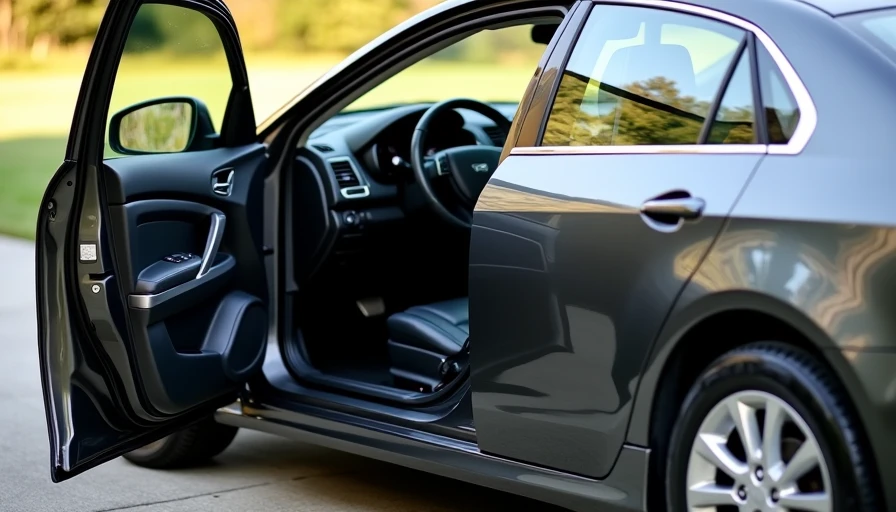
The Trap of Looking Too Good
I’ve seen it dozens of times. A used car pulls up looking pristine inside and out. The interior smells fresh, the seats show almost no wear, and the paint shines like it just left the dealer. The buyer gets excited, skips a thorough inspection, and drives away happy.
Six months later they’re back complaining about strange noises, warning lights, and repair bills that exceed the purchase price savings.
Hi, I’m Nathan Cole from Milwaukee. After years in used-car operations and fleet purchasing, I can tell you this with confidence: a clean interior doesn’t mean a healthy car. In fact, it can be one of the biggest red flags if you don’t know what else to look for.
Why Sellers Make Cars Look Perfect
Many sellers — especially at dealerships or flipped private sales — know exactly what most buyers focus on. They detail the car heavily: shampoo the carpets, condition the leather, polish the exterior, and mask any obvious odors. This creates emotional appeal and distracts from mechanical realities.
But here’s the truth: cosmetics are cheap and easy to fix. Engines, transmissions, suspension, and electrical systems are not.
The Details That Actually Matter
Here are the key areas I inspect that most casual buyers completely overlook:
Tires and Brake Wear
Look at the tire tread depth and wear pattern. Uneven wear often signals alignment or suspension problems. Check the brake pads and rotors if possible — thin pads mean an expensive job is coming soon. Fresh tires on an older car can be a deliberate distraction.
Fluid Levels and Condition
Open the hood and check engine oil (should be clean, not black), transmission fluid (should be red, not brown), and coolant. Milky oil or burnt-smelling transmission fluid are major warning signs.
Undercarriage and Rust
In Wisconsin, this is critical. Crawl underneath or ask for a lift inspection. Look for rust on frame rails, exhaust, and suspension components. Surface rust is normal, but structural rust is dangerous and expensive.
Engine Bay Condition
A suspiciously clean engine bay might mean it was recently pressure-washed to hide leaks. Look for fresh oil residue, cracked hoses, or mismatched parts that suggest previous repairs.
Service History Gaps
A thick folder of oil change receipts is good — but check for major services (transmission, timing belt, spark plugs). Missing records around 80k–100k miles often means deferred maintenance.
Test Drive Clues
Listen carefully for transmission shifts, unusual noises over bumps, and how the brakes feel. Pay attention to vibrations, pulling, or excessive road noise.
Common Presentation Tricks to Watch For
Febreeze and air fresheners: Strong scents often hide smoke, pet, or musty odors.
New floor mats: Can cover stains or wear that tells the real story.
Recently replaced wiper blades and headlights: Small cheap fixes that create a false sense of newness.
Temporary fixes: Like fresh touch-up paint over rust spots.
I once looked at a beautiful-looking SUV that smelled amazing inside. Underneath, the frame had serious rust and the transmission was on its last legs. The seller had invested in detailing instead of maintenance.
Vehicles That Often Get the “Clean But Problematic” Treatment
Certain models attract this treatment more than others — popular family crossovers and sedans that owners try to flip quickly. Always be extra careful with vehicles that look significantly better than their age and mileage suggest.
My Walkaround Routine
Whenever I look at a used car, I follow this order:
Walk around the entire vehicle looking for panel gaps and paint differences
Check all four tires for wear and date codes
Inspect under the hood and all fluid conditions
Thoroughly examine the undercarriage
Review every page of service records
Do a long test drive including highway, bumps, and stops
Get a pre-purchase inspection from an independent mechanic
This routine takes time but has saved me from multiple bad purchases.
The Healthy Balance
A truly good used car can look clean — but it should also feel mechanically sound. Don’t be afraid of a car with normal wear if the important systems check out. Normal wear is honest. Perfect cosmetics with hidden problems is deceptive.
The best buys are often the ones that look “lived in but well cared for,” not the ones that look brand new at five years old.
Trust Data Over Appearance
At the end of the day, a clean interior is nice, but it’s the cheapest thing to fix. Focus on what’s expensive to repair: the powertrain, suspension, brakes, and rust protection.
Don’t shop the test drive. Shop the next five years. And make sure those five years aren’t spent fixing problems that were hiding behind fresh detailing and strong air freshener.
Take your time, look past the shine, and you’ll find much better cars — and save yourself from expensive regrets.