
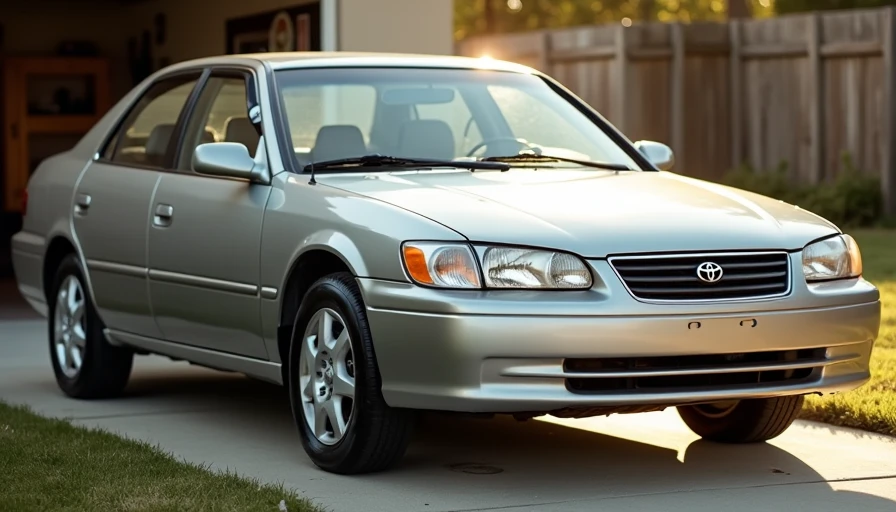
The Mileage Myth That Misleads Most Buyers
I see it all the time at used car lots and in conversations with friends: someone finds a seemingly great deal with 140,000 miles and immediately walks away because “that’s too many miles.” Other times, they jump on a 110,000-mile car without asking the right questions and end up with a money pit.
The truth is, mileage alone tells you very little. A 180,000-mile Toyota with perfect service records can be a much smarter buy than a 95,000-mile European SUV with spotty maintenance. After years reviewing fleet data and watching thousands of vehicles move through used car operations, I’ve learned to look far beyond the odometer.
Hi, I’m Nathan Cole from Milwaukee. Today we’re cutting through the high-mileage anxiety and giving you a practical framework to judge when high mileage is perfectly fine — and when it’s a loud warning sign.
Why Mileage Alone Is a Poor Indicator

Modern cars are built better than ever. Many reliable models are perfectly capable of 250,000+ miles with proper care. The problem isn’t the miles — it’s what happened during those miles and how well the car was maintained.
Factors that matter more than raw mileage:
Service history consistency
Type of driving (highway vs city)
Climate conditions (rust from Midwest salt)
Previous owner behavior
Specific model-year reliability patterns
A car that lived most of its life on highways with regular oil changes can be in better shape than a lower-mileage one that spent its days in stop-and-go traffic with neglected maintenance.
When High Mileage Is Usually Fine
High mileage becomes acceptable when you see these positive signals:
Strong Service Records
Look for consistent oil changes every 5-7k miles, transmission services, timing belt/chain done on schedule, and brake jobs at normal intervals. A thick folder of records from the same shop is a great sign.
Japanese Reliability Standouts
Certain Honda Accords, Toyota Camrys, and Honda CR-Vs from 2012-2018 regularly go well past 200k miles. I’ve seen many at 160k+ that still drive tight and cost little to maintain.
Highway-Driven Examples
Vehicles with mostly highway miles often have less wear on brakes, suspension, and transmission compared to city cars with similar mileage.
Clean Wear Patterns
Even at high miles, check for even tire wear, clean engine bay, and interior that matches the age. These suggest a careful owner.
Known Durable Powertrains
Some engines and transmissions have proven track records. A well-serviced 2.4L Honda or Toyota 2.5L can be very forgiving at higher mileage.
When High Mileage Is a Warning Sign
Be extra cautious when you see these red flags:
Missing or Spotty Service History
Big gaps in records or only oil changes with no major services? Walk away. You’re buying someone else’s deferred maintenance.
Known Problematic Model Years
Certain years of popular models had transmission issues, engine problems, or electrical gremlins. Do your homework before falling for the low price.
Rust and Underbody Issues
In Wisconsin, salt eats cars. High-mileage vehicles from this region need a thorough underbody inspection. Structural rust is often a deal breaker.
Multiple Warning Lights or Recent Major Repairs
If the check engine light is on or they just fixed something expensive, be wary. High-mileage cars can enter a cycle of frequent repairs.
Luxury or Complex Vehicles
European brands or loaded crossovers at high mileage often become very expensive to maintain once past 100k-120k miles. Parts and labor add up fast.
My Personal High-Mileage Experience
A few years ago I bought a 2015 Toyota Camry with 142,000 miles. It had detailed records from one owner and mostly highway use. Three years and 60,000 miles later, it’s still running strong with only routine maintenance. That purchase taught me that high mileage, when handled correctly, can be a great way to get more car for your money.
On the flip side, I once watched a friend buy a high-mileage domestic SUV because it was cheap. Within nine months he spent more on repairs than the purchase price savings. The odometer wasn’t the problem — the neglected maintenance was.
Practical Checklist for Evaluating High-Mileage Cars
Use this when shopping:
Ask for full service records — walk away if they’re incomplete
Get a pre-purchase inspection by a trusted independent mechanic (worth every penny)
Check for rust, especially in snow-belt states
Test drive extensively — listen for unusual noises, check all electronics
Research specific model issues — use forums and reliability data
Calculate potential repair costs for the next 3-5 years
Compare total ownership cost, not just purchase price
Smart High-Mileage Buying Strategy
Aim for 120k-180k miles on proven reliable models rather than low-mileage but problematic ones
Budget extra for initial “catch-up” maintenance after purchase
Prioritize one or two-owner vehicles
Focus on vehicles that have been driven responsibly
Consider extended warranties only on specific models where it makes financial sense
The goal isn’t to fear high mileage. It’s to respect it as one data point among many.
Bottom Line: Judge the Story, Not Just the Number
The odometer is just a number. The real story is in the maintenance, the care, and the specific vehicle’s reputation. Learn to read that story and you’ll find some of the best deals in the used market.
Next time you see a high-mileage car, don’t automatically say no. Ask better questions. Look deeper. You might find a reliable, affordable vehicle that still has plenty of good miles left — and respects your budget better than a lower-mileage but higher-risk alternative.
Don’t shop the test drive. Shop the next five years. That includes having the wisdom to know when high mileage is your friend and when it’s a warning.