
The Great Crossover Migration
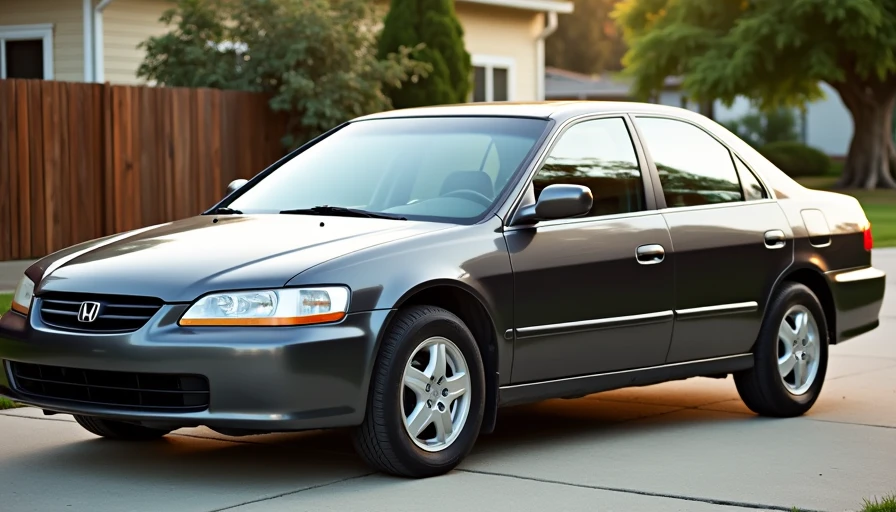
It happened almost overnight. One year families were perfectly happy with Camrys and Accords, the next everyone was climbing into crossovers like it was some kind of religious conversion. “We need the higher ride height,” they’d say. “It feels safer.” Dealers loved it. Marketing teams pushed it hard. And suddenly, sensible sedans were treated like the automotive equivalent of dad jeans — unfashionable but still perfectly functional.
I’m Nathan Cole, 42, Milwaukee dad who’s seen enough fleet data and used car auctions to separate hype from reality. After years of watching vehicles go through their full lifecycle, here’s my take: many sedans age far better than the crossovers nobody actually needed. They often cost less to own, hold up more predictably, and won’t punish you for choosing practicality over trend.
Why Crossovers Took Over (And What We Overlooked)

The crossover boom makes sense on paper. Marketing sold us on “commanding view of the road,” easier child seat access, and that all-important “versatility.” For some families with serious cargo needs or frequent light off-roading, it’s valid. But for most of us doing school runs, grocery trips, and weekend drives around the Midwest? The benefits were oversold.
What actually happened after the honeymoon phase:
Fuel economy often fell short of expectations once fully loaded
Insurance premiums crept higher due to heavier vehicles and repair complexity
Resale values dropped faster as the market flooded with similar models
That “tough” higher stance came with more body roll and sometimes twitchier handling in snow
I’ve seen too many three-year-old crossovers at auctions with surprisingly high mileage wear for their age. Meanwhile, certain sedans from the same era look like they just rolled off the lot — mechanically sound and cheap to keep running.
Where Sedans Still Win in Real Ownership
Sedans have several quiet advantages that show up strongly between years 3 and 7 of ownership:
Lower Operating Costs
Lighter weight usually means better real-world MPG. My old Camry consistently beat the crossover equivalents by 4-6 mpg on highway trips. Over five years, that’s real money staying in your pocket instead of going to the gas station.
Simpler Mechanics, Cheaper Repairs
Many crossovers added all-wheel-drive systems, taller suspension components, and more complex electronics. Sedans tend to stay simpler. Parts are often cheaper and more widely available. Labor times are shorter at independent shops.
Better Long-Term Reliability Patterns
From fleet data I used to review, well-maintained sedans like certain Honda Accords and Toyota Camrys regularly hit 200,000+ miles with mostly routine maintenance. Many crossovers start showing transmission or suspension issues around 120,000-150,000 miles that get expensive fast.
Slower Depreciation in Smart Choices
While some crossovers depreciate like rocks once the new body style arrives, certain sedans (especially reliable Japanese models) hold value better in the used market because they have a reputation for lasting forever.
Sedans I’d Actually Trust for Long-Term Ownership
Here are some practical examples that continue to impress me in the used market:
Honda Accord (2013-2017 models especially)
These things are tanks. The 2.4L four-cylinder is smooth, efficient, and nearly bulletproof. Interior space is excellent for a sedan — my son had plenty of room in the back even with his booster seat. Trunk space beats many small crossovers when you actually measure usable cargo. Parts are cheap, and they age with dignity. I’ve seen clean examples with 150k miles going strong for under $12k.
Toyota Camry (2012-2018)
The definition of boring done right. Owners regularly report 250k+ miles with basic care. The hybrid versions are especially strong if you do mostly city driving. They’re comfortable on long Midwest road trips, quiet enough for family peace, and the resale is rock solid because everyone knows they last.
Mazda6 (2014-2018)
If you want a sedan that feels a bit more engaging without sacrificing reliability. Excellent handling, nice interior materials that hold up well, and surprisingly good rear legroom. They don’t scream “dad car,” which matters if your ego needs a tiny boost.
Hyundai Sonata / Kia Optima (later years with good service history)
These improved dramatically. With proper maintenance records, they offer a lot of features for the money. Just be picky about which model years — some early engines had issues, but the 2018+ refreshed versions are much stronger.
I always tell people: look for one-owner vehicles with consistent oil changes. These sedans reward careful owners.
When a Crossover Still Makes Sense
To be fair, I’m not anti-crossover. There are situations where one wins:
You regularly carry three or more kids plus sports gear
You need to tow occasionally
You live somewhere with terrible roads or heavy snow and want the extra ground clearance
You prioritize easy entry/exit for elderly parents or small children
In those cases, something like a Honda CR-V or Toyota RAV4 (especially the hybrids) can be excellent. The key is buying one because you need the traits, not because it’s what your neighbor drives.
Real Stories From the Used Market
A friend of mine bought a popular compact crossover in 2018 because “it felt modern.” Three years later he was frustrated with the fuel bills, the way it handled in winter, and the $1,200 brake job that came earlier than expected. He traded it for a used Accord and immediately noticed lower monthly costs and a more planted feel.
Another guy I know stuck with his 2015 Camry through two kids. At 180,000 miles it’s still his daily driver. The repair bills have been minimal, insurance is reasonable, and he laughs when people ask when he’s upgrading. “Why would I?” is his usual response.
These aren’t cherry-picked stories. They reflect what I saw in fleet operations — sedans often delivered lower total cost of ownership when used by normal families.
How to Shop Sedans in Today’s Market
If you’re considering moving away from the crossover crowd:
Focus on Japanese brands first for proven longevity
Get a pre-purchase inspection from a trusted independent mechanic
Check service history religiously — especially timing belt/chain and transmission service
Test drive with your family and actual cargo
Compare 5-year ownership cost estimates using tools like Edmunds or your local insurance quotes
Don’t fear higher mileage if maintenance records are clean
Buy for Reality, Not Instagram
The car industry wants you chasing the next trend. But real life isn’t a marketing campaign. Most of us need a vehicle that works Tuesday morning when it’s raining, Thursday afternoon for soccer pickup, and Sunday for a quiet drive to get away from it all.
Sedans aren’t exciting. They don’t make your neighbors jealous. But they often age gracefully, cost less to keep, and let you spend money on things that actually matter — like family vacations or better tools in the garage.
Next time you’re shopping, ask yourself: Am I buying for the next three years of social approval, or the next seven years of actual life?
The answer might lead you back to a sensible sedan. And you might just thank yourself every time you fill up the tank or open the repair bill.
Don’t shop the test drive. Shop the next five years. Even when that choice looks a little less flashy in the driveway.