
If you’ve been shopping around for a new look for your car, you’ve probably come across vinyl wraps as an alternative to paint. The **car wrap cost** can vary a lot—anywhere from a few hundred to several thousand dollars—and understanding what drives that range is the only way to know if it’s the right move for your budget. I’ve spent years watching people make expensive cosmetic decisions on their vehicles, and I can tell you that the cheapest quote isn’t always the best deal. Let’s break down the real numbers behind **car wrap cost**, including materials, labor, and the long-term trade-offs.
What Determines Car Wrap Cost?
The price of wrapping a car depends on three main factors: the size of the vehicle, the type of vinyl used, and the complexity of the installation. A compact sedan will always be cheaper to wrap than a full-size SUV or a truck with a camper shell. Likewise, a standard gloss vinyl will run you less than a color-shifting chrome or a textured matte finish. Most shops charge per square foot, with typical rates between $2 and $5 per square foot for the material alone. For a full wrap on an average sedan, you’re looking at 200 to 250 square feet of vinyl, so material cost alone can be $400 to $1,250. But that’s just the start.
Labor is where **car wrap cost** really adds up. A professional installation takes one to three days, depending on the complexity. Shops charge $50 to $100 per hour, and a full wrap can require 20 to 40 hours of work. That puts labor between $1,000 and $4,000. So the total **car wrap cost** for a full wrap on a typical car usually lands between $2,000 and $5,000. Partial wraps—like just the hood, roof, or a stripe—are much cheaper, often $500 to $1,500.
Material Choices and Their Impact on Price
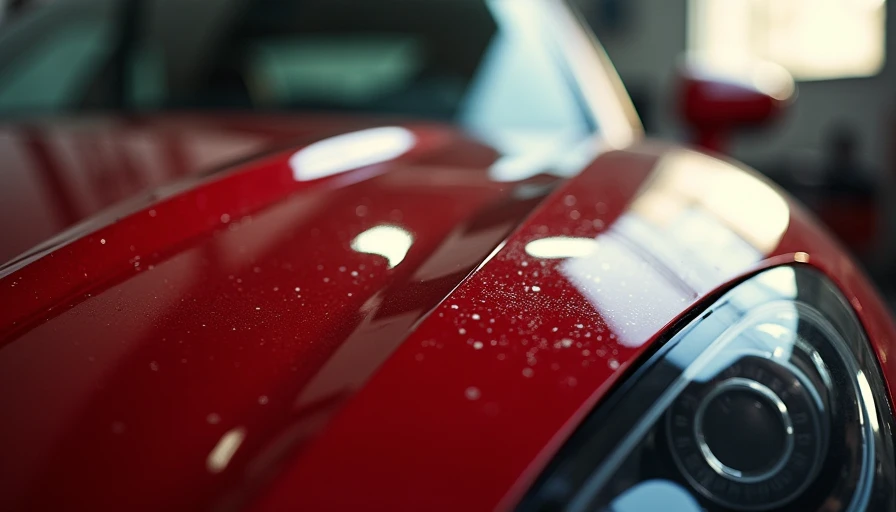
Not all vinyl is created equal. Economy vinyl might cost $1.50 per square foot, but it tends to crack and fade within a year or two. Top-tier brands like 3M, Avery Dennison, or Hexis can run $3 to $5 per square foot but last five to seven years with proper care. If you’re planning to keep the wrap for the long haul, spending more upfront saves you from a premature redo. For a specialty finish like satin, metallic, or brushed metal, add another 20% to 30% to the material cost. Color-shifting or holographic wraps can double the material expense. When you look at **car wrap cost**, the material grade is the biggest variable in how much you’ll pay and how long it lasts.
Labor and Installation Quality
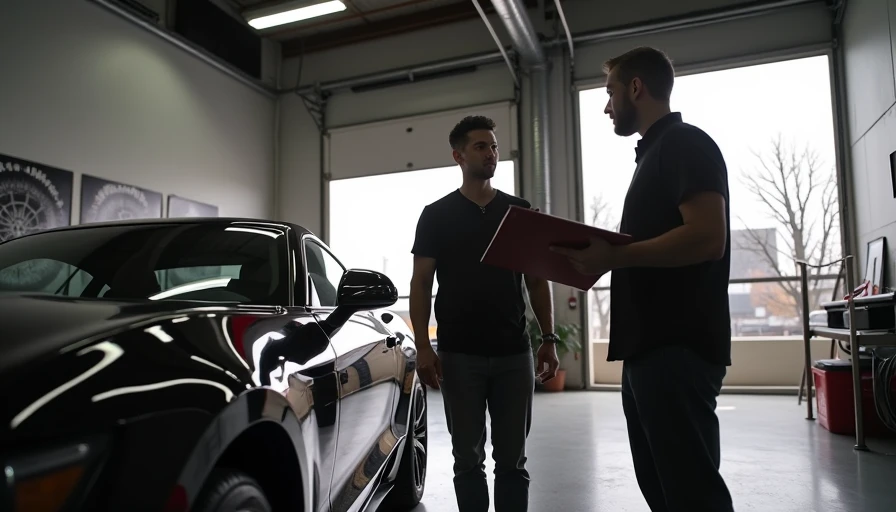
A cheap install can ruin good vinyl. Cut-rate shops may rush the job, leaving bubbles, lifting edges, or visible seams. That’s why you shouldn’t shop for **car wrap cost** by the lowest bid alone. A reputable installer will disassemble parts of the car—door handles, mirrors, trim—to tuck the edges under, which takes time but gives a factory-like finish. That level of detail adds to the labor hours, but it also means the wrap looks good and lasts longer. Expect to pay a premium for a shop with a good reputation and a portfolio of clean work. The difference between a $2,500 wrap and a $4,000 wrap is often the skill of the installer, not the material.
Car Wrap Cost vs. a Quality Paint Job
A decent paint job from a professional shop runs $3,000 to $8,000 for a full respray, and a high-end custom paint can easily exceed $10,000. So a wrap at $2,000 to $5,000 is often cheaper upfront. But paint can last 10 to 15 years if maintained, while a wrap typically lasts 3 to 7 years before it needs replacement. That means over a decade, a wrap might cost you $6,000 to $10,000 if you redo it twice, while a good paint job might be a single expense. However, wraps also protect the original paint from UV and minor scratches, which can improve resale value if you remove the wrap before selling. For a leased car or a vehicle you plan to sell within a few years, wrapping is often the smarter financial move.
Maintenance and Removal Costs
Wraps aren’t maintenance-free. You need to hand wash them and avoid harsh chemicals or automatic car washes with brushes. Neglect can cause premature wear, which shortens the lifespan and reduces resale value. Removal also carries a cost—typically $500 to $1,000 for a full wrap, depending on how well it was installed and how long it’s been on. Cheap vinyl can become brittle and leave adhesive residue, requiring extra labor to clean. When you calculate total **car wrap cost**, factor in removal as part of the ownership cycle. If you’re planning to keep the wrap for the life of the car, the removal cost disappears, but if you might want to go back to the original paint later, budget for it.
Is Wrapping Worth It for Your Car?
For most daily drivers, a full wrap is a personal choice that doesn’t add value in the resale market—unless you’re protecting a rare or classic car’s original paint. If your car’s paint is already in good shape and you just want a new color, a wrap gives you flexibility without permanent commitment. For a vehicle with faded or damaged paint, wrapping can be cheaper than a full respray, but only if the underlying surface is smooth—rust or peeling clear coat will show through and ruin the look. I’ve seen too many people spend $3,000 on a wrap only to find the paint underneath was worse than they thought. Get a detailed inspection before you commit.
Final Numbers to Keep in Mind
To summarize: **car wrap cost** for a full wrap on a small sedan starts around $2,000 and goes up to $5,000 for a large SUV with premium vinyl. Partial wraps run $500 to $1,500. Material quality and installer skill are the two biggest factors that separate a good deal from a future headache. If you’re considering a wrap, get at least three quotes from shops that use proven material brands, ask for examples of their work, and don’t be afraid to spend a little more for longevity. Like most things with cars, the cheapest option now often costs more in the long run. Don’t shop the quote—shop the next five years.